Fascial Manipulation® — the Stecco® Method, Developed in Italy

Hands-On Fascia Therapy in Setagaya, Tokyo

A structured, assessment-based form of myofascial treatment for persistent pain and stiffness — not a general massage. Each session starts by testing the movement that hurts, so we can find where your fascia has lost its glide, rather than treating only the spot that aches.

Inquire / Book a Session

This field is required.

Hands-On Fascia Therapy in Setagaya, Tokyo

We offer Fascial Manipulation®, the Stecco® method developed in Italy — a structured, assessment-based form of myofascial treatment for persistent pain and stiffness, not a general massage. Each session starts by testing the movement that hurts, so we can find where your fascia has lost its glide, rather than treating only the spot that aches.

English consultations are with Director Hideki Kakinuma, Certified Fascial Manipulation® Specialist — certified in Padova, Italy, in June 2018. Since 2020, he has also served as an interpreter for the Fascial Manipulation® international courses held in Japan, where the teaching is delivered in English by instructors from Italy. We are 2 minutes on foot from the north exit of Kitami Station (Odakyu Line).

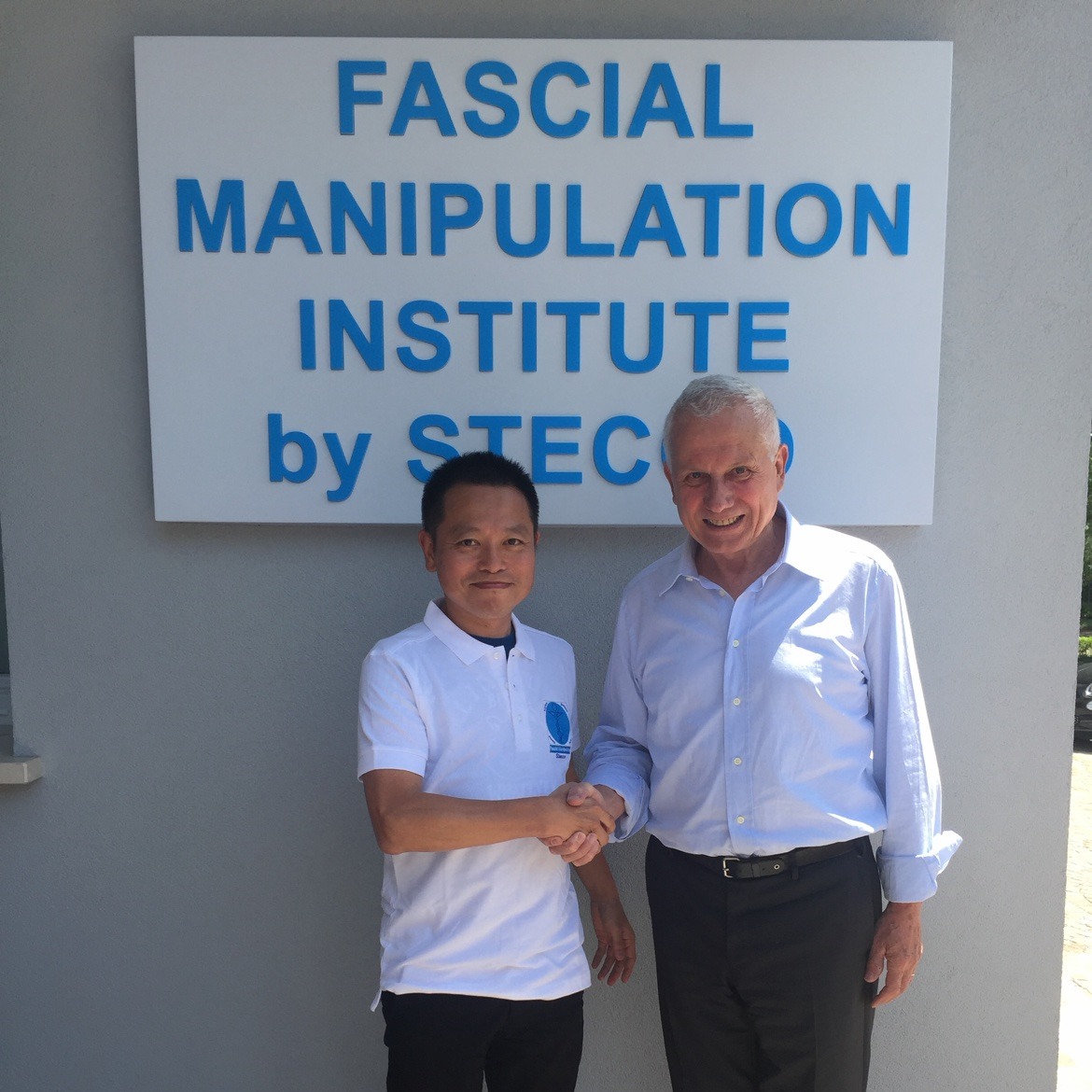
Hideki Kakinuma with Luigi Stecco, founder of Fascial Manipulation®, at the Fascial Manipulation Institute in Padova, Italy, June 2018.
With Luigi Stecco, founder of Fascial Manipulation®, in Padova, Italy — June 2018, after passing the certification examination.
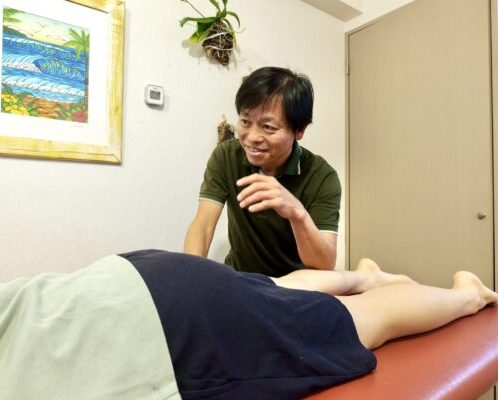
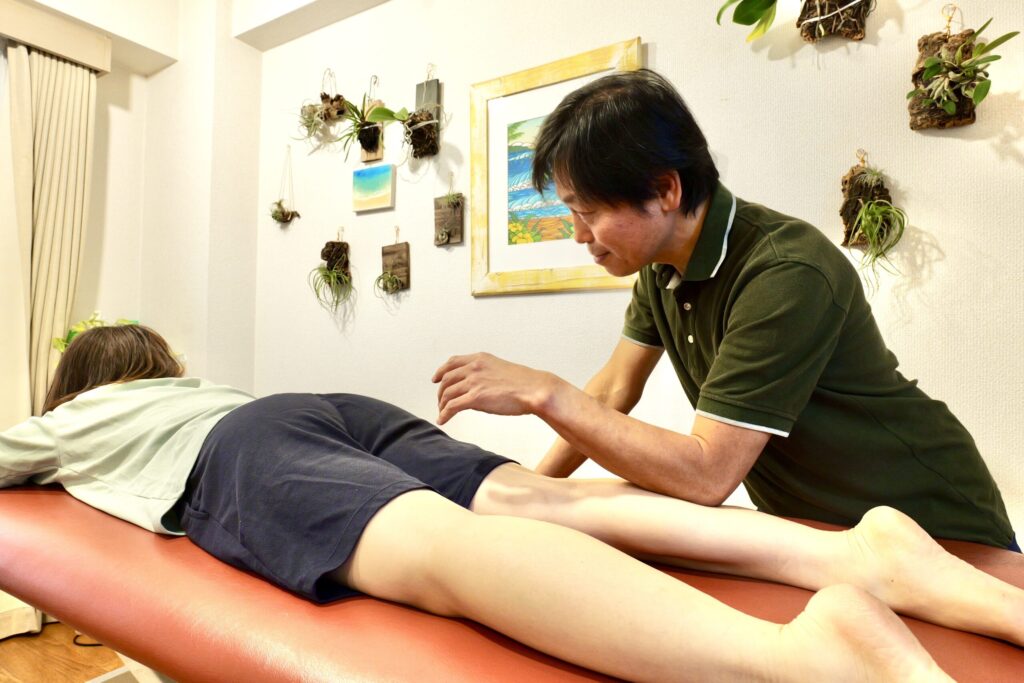
Director Hideki Kakinuma talking with a patient during a session
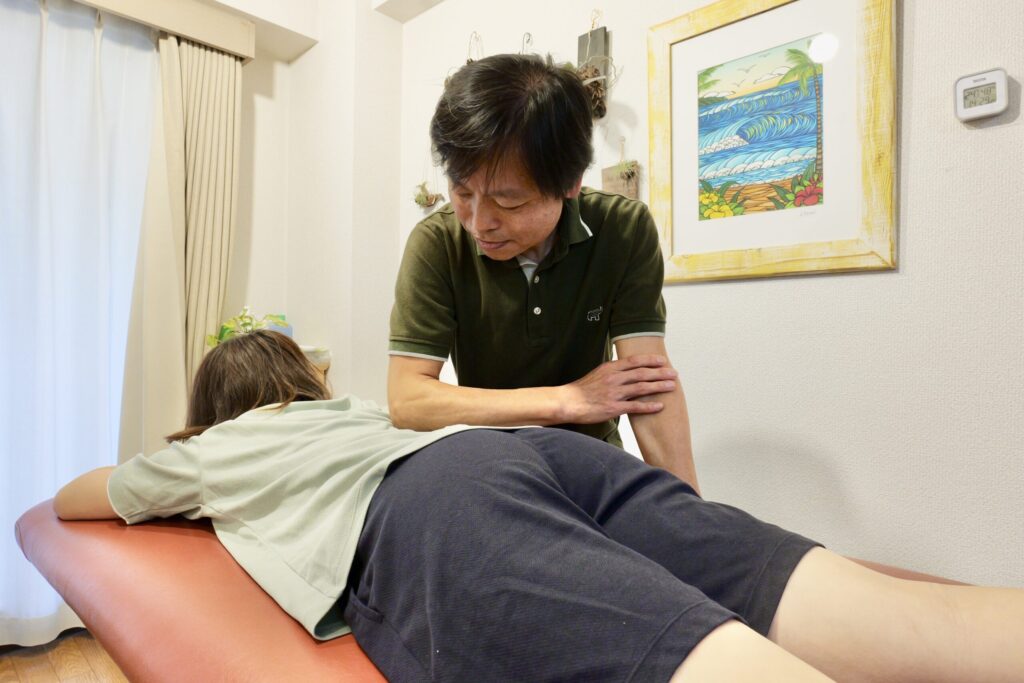
Fascial Manipulation® treatment at Kakinuma FM Studio
Fascial Manipulation® treatment on the leg

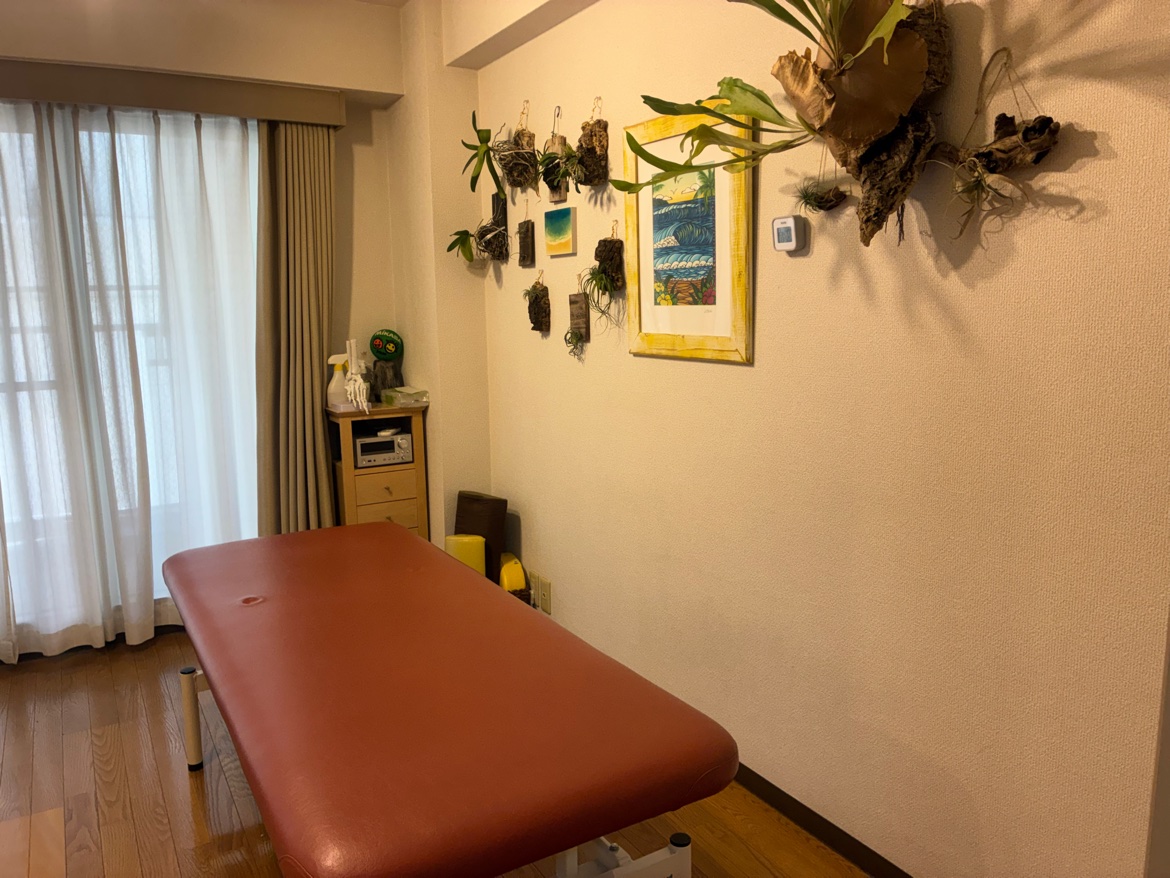
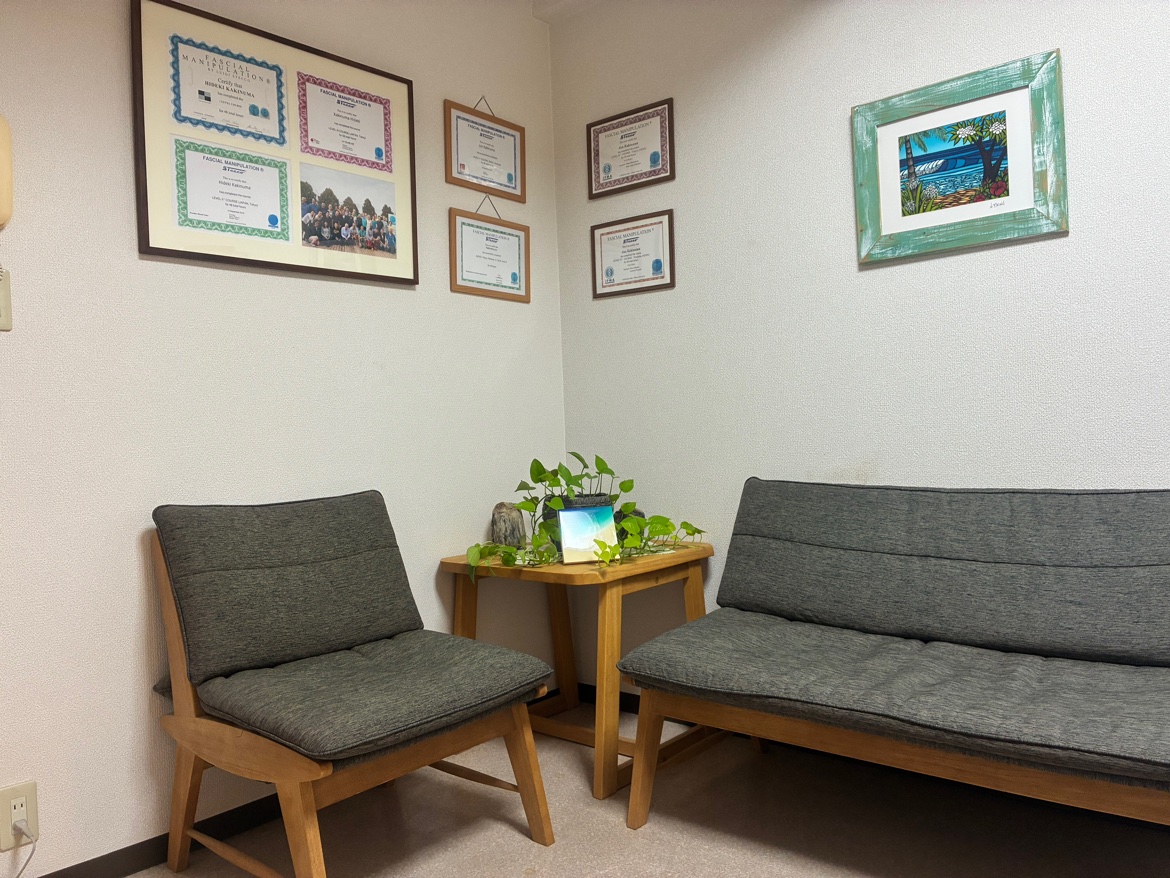
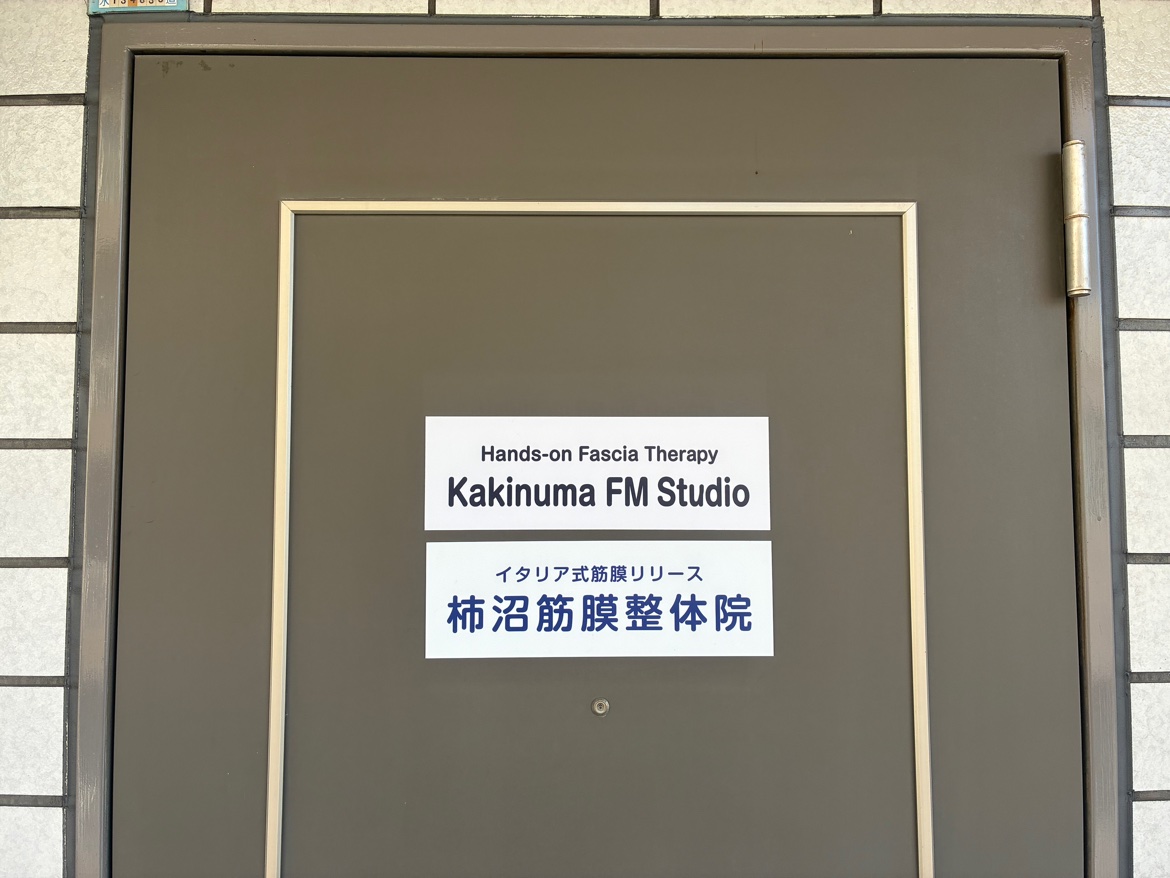
Inside the Clinic

The treatment room
The waiting room
The clinic entrance door with bilingual sign

What to Expect

Every session follows the same clear flow.

1. Assessment

We test the movements that hurt and map where your fascia has lost its glide.

2. Treatment

Hands-on Fascial Manipulation® focused on the areas found in the assessment.

3. Re-test

We check the same movements again to confirm the change.

4. Next steps

We explain the findings and the next steps, in English.

5. After your session

Fascial glide improves through a mild inflammatory response after treatment, so we ask you not to suppress it — please avoid cooling plasters, icing, and anti-inflammatory painkillers. Otherwise there are no special restrictions: bathing, alcohol, and moderate exercise are all fine. First-time patients receive a printed sheet explaining these notes.

6. Follow-up

At your next visit we re-test the same movements and adjust the treatment as your condition changes. Many patients continue with regular maintenance visits.

Two honest notes. First, treatment can be uncomfortable — the stiff points we work on are often tender. We check the pressure with you as we go. Second, the research evidence for Fascial Manipulation® is still limited: studies suggest it may help some chronic pain, but the certainty of that evidence is low. What we can promise is a careful assessment, and a re-test of your painful movement in the same session, so you can judge the change yourself.

Conditions We Often See

Fascial Manipulation® looks for the cause along the fascial connections, not only where it hurts. These are the kinds of problems people most often bring to us. If your problem is not listed, feel free to ask — fascia connects the whole body.
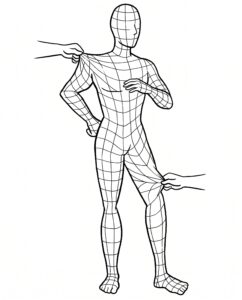
Diagram showing fascia connecting the whole body.

Foot, ankle, knee & hip

  • Plantar fasciitis (pain under the heel, worst with the first steps in the morning)
  • Achilles tendon pain
  • Lingering problems after an ankle sprain
  • Painful accessory navicular (pain on the inner arch)
  • Knee pain, including pes anserine pain (inner knee)
  • Hip and groin pain

Elbow, shoulder & hand

  • Tennis elbow
  • Throwing shoulder (baseball shoulder) and other shoulder pain
  • Tendinitis and trigger finger
  • De Quervain’s tenosynovitis (pain on the thumb side of the wrist)
  • Carpal tunnel syndrome (numbness in the fingers, often worse at night)

Neck, back & nerves

  • Sciatica-like symptoms (pain or numbness running from the lower back or hip down the leg)
  • Persistent neck and low back pain
  • Numbness in the arm or hand with no clear finding on imaging

Problems that have lasted more than six months, or that keep coming back, are often the ones where tracing the fascial connections helps most.

Case Reports

Individual results vary.
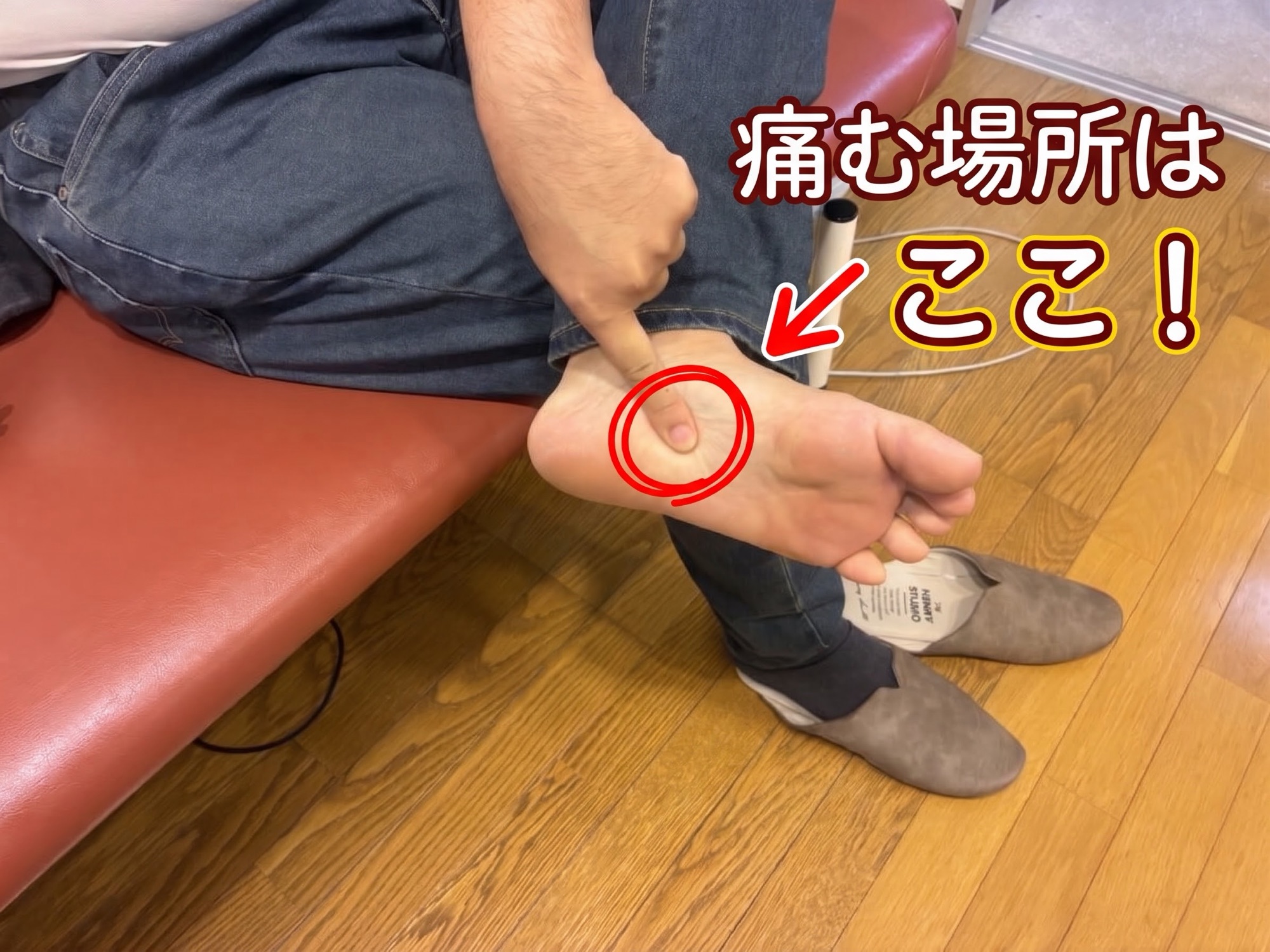
Plantar fasciitis case — road cyclist

Plantar fasciitis — road cyclist, 50s

Six months of left heel pain, worst with the first steps in the morning. The article looks beyond the sole itself, to the sustained load on the whole lower leg from road cycling, and reports that the first-step pain eased after one session, with the heel reported still pain-free at a return visit five years later for a different issue.
Read the full case
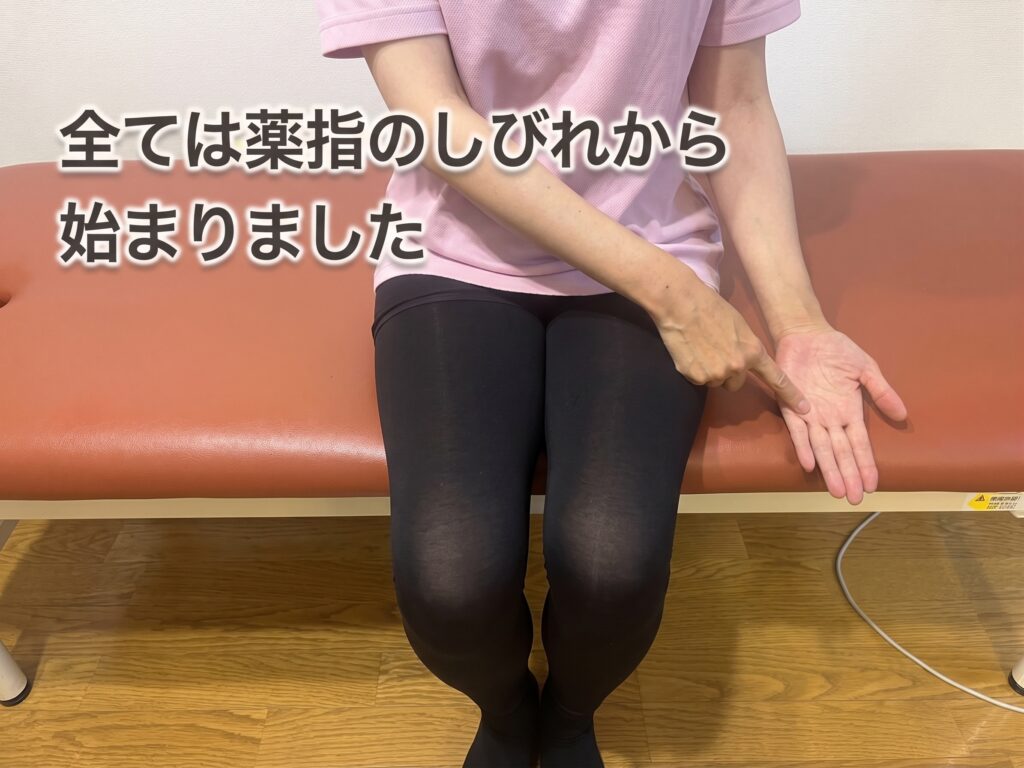
Arm numbness case — string player

Left arm numbness and weakness — string player, 40s

Left ring-finger numbness and whole-arm weakness that made holding an instrument, a teacup or a bottle difficult, after orthopedic tests showed no abnormality. The article traces it to years of string playing plus a night sleeping on the arm, and reports that after four sessions over about two months she could play for over an hour without pain or discomfort in the left hand.
Read the full case
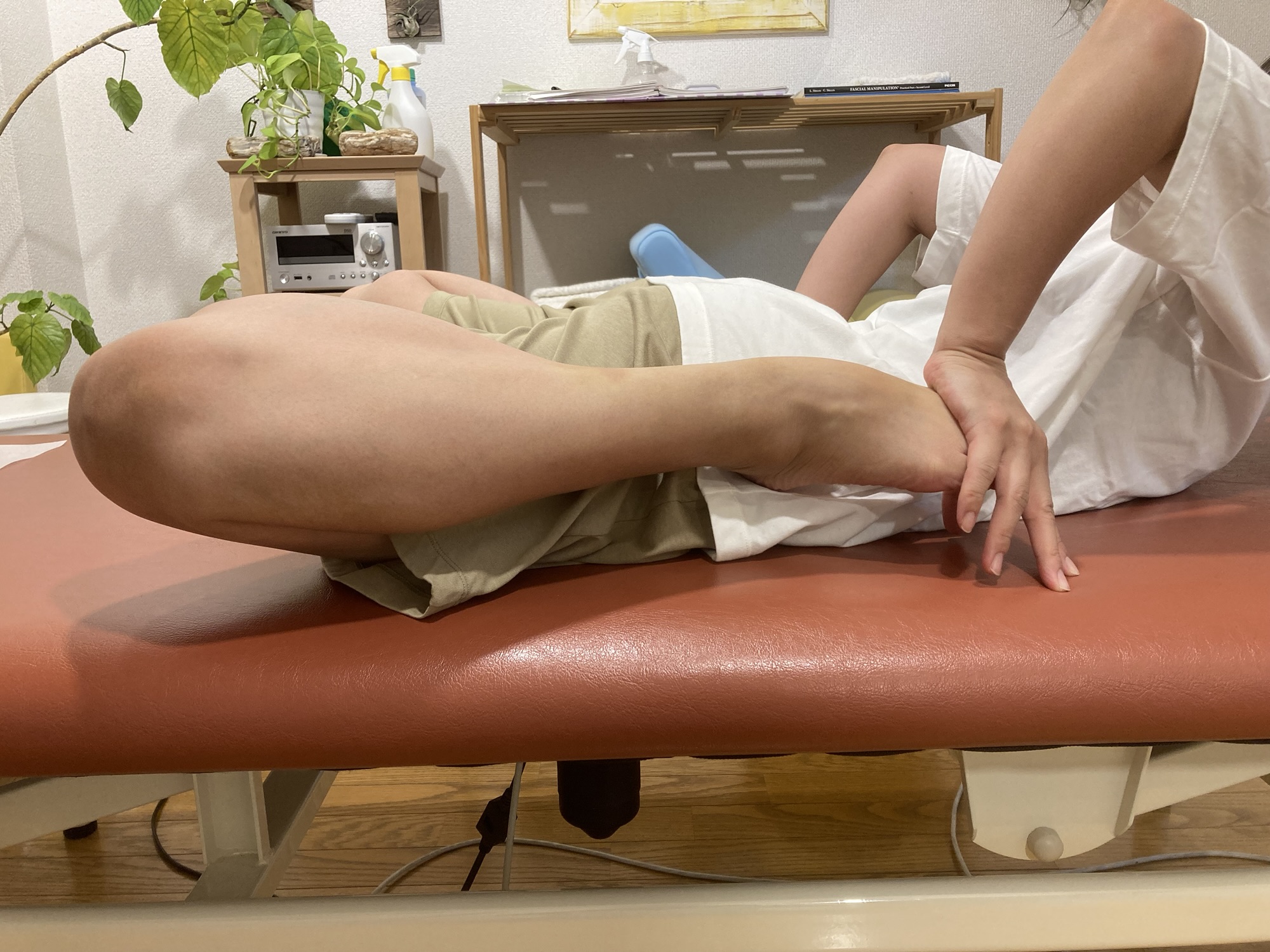
Ankle sprain case — yoga teacher

Ankle pain that wouldn’t settle after a sprain — yoga teacher, 40s

Pain around the right outer ankle in padmasana (lotus pose) and in seiza, two and a half months after missing a step on stairs. The article reports the pose became pain-free in the first session, pain fell to about 15% of its original level, and remaining discomfort eased in a second session about a month later.
Read the full case
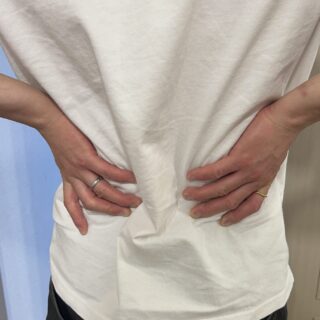
Chronic low back pain case — movement check

Chronic low back pain — restaurant worker, 20s

A dull pain across the pelvis and lower back for about two years, in a man in his 20s working in the restaurant industry, bad enough to interfere with work and to stop his weight training. The article reports that the pain halved after the first session, was barely noticeable in daily movements after the second, and had almost resolved by the third, when he was able to resume training.
Read the full case
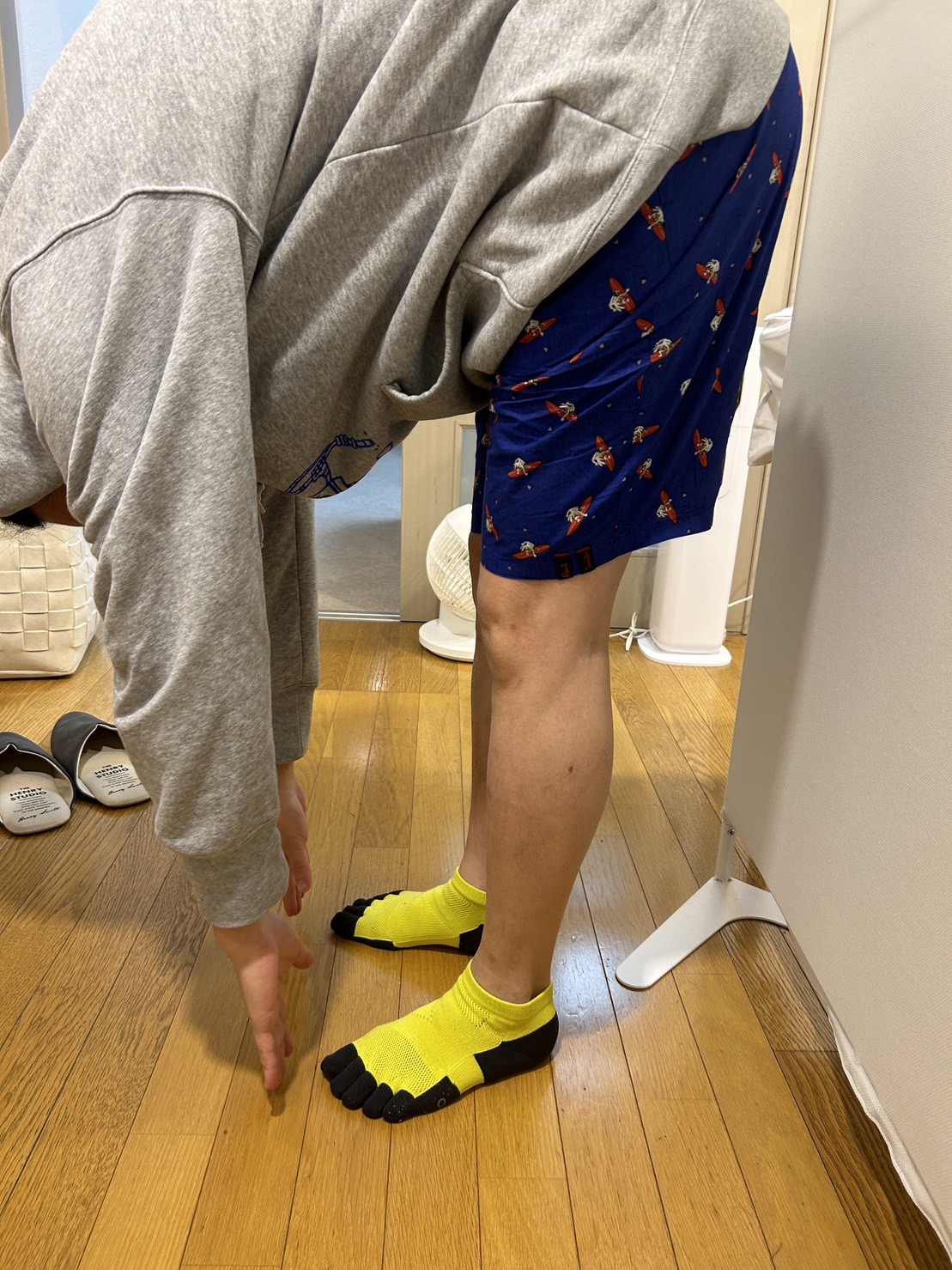
Sciatica-like symptoms case — after treatment

Sciatica-like symptoms — futsal player, 40s

Tightness, pain and a tingling numbness in the buttock the day after weekly futsal, sometimes running into the thigh, and pain when sitting for long periods — going on for about a month and a half. The article reports that the buttock symptoms improved after the first session, and that after a second session two weeks later the tightness fell to zero and he could bend forward far enough to touch the floor.
Read the full case
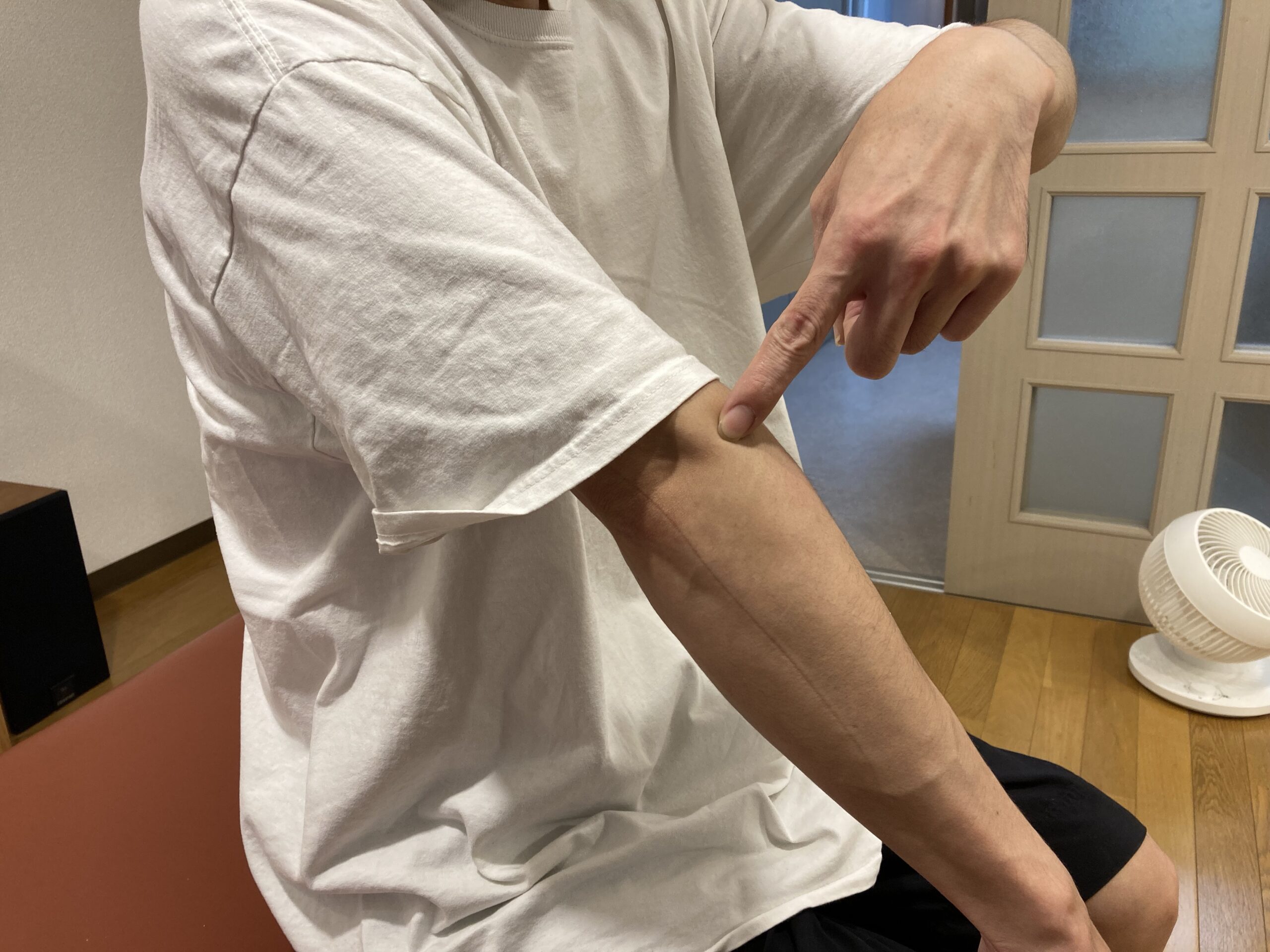
Tennis elbow case — chef

Tennis elbow — chef, 40s

Six months of pain on the outside of the right elbow that built up after his daily knife-sharpening doubled, until he could not grip a knife and had to take leave from work. The article reports that after four sessions of Fascial Manipulation® — working not only on the elbow, but on stiff fascia found from the shoulder to the fingers and across the back — the pain in everyday life was gone and he felt ready to return to work.
Read the full case
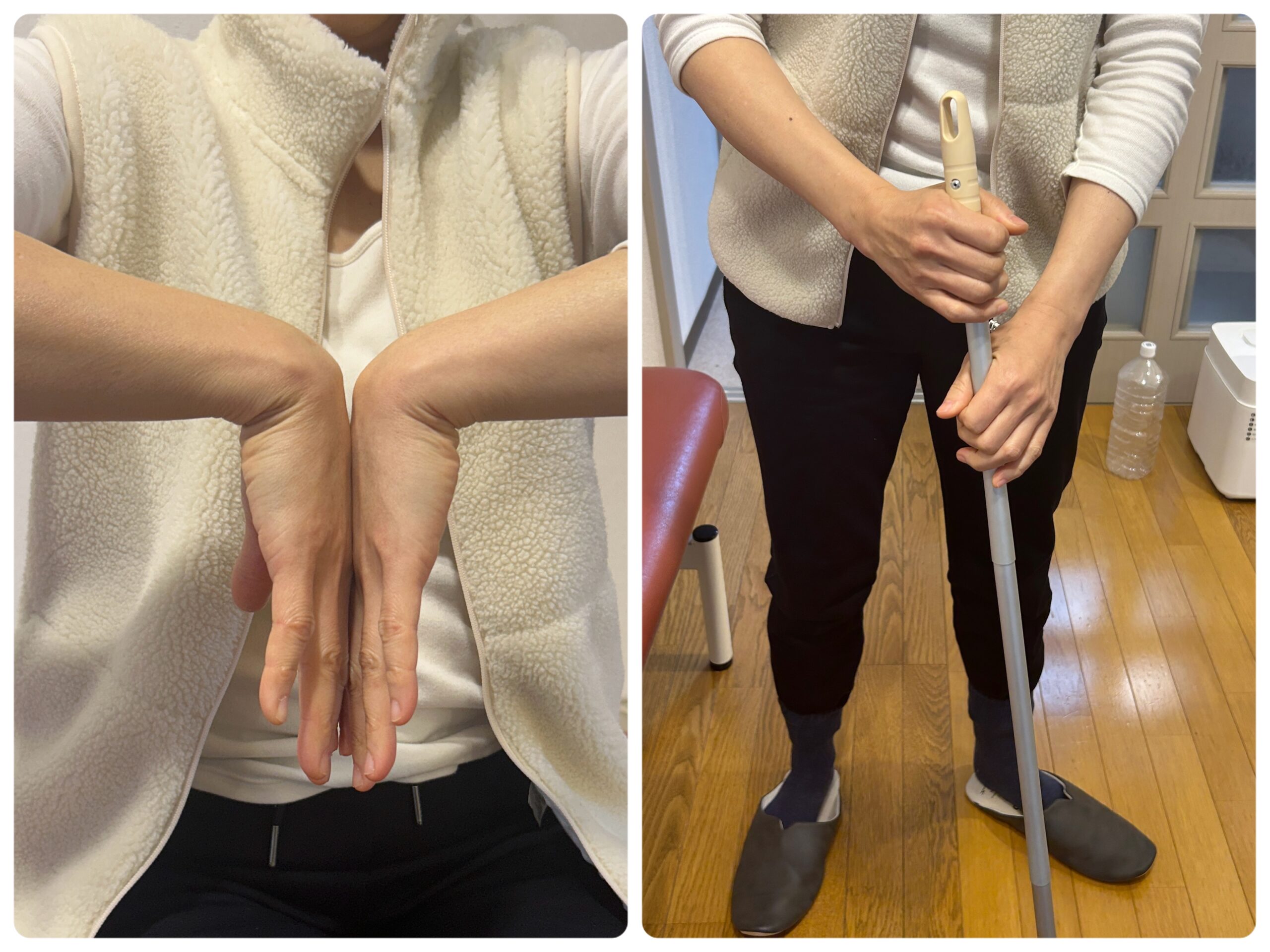
Carpal tunnel case — hands

Carpal tunnel syndrome — Buddhist priest, late 40s

Constant numbness in both hands, worst across the palm into the index and middle fingers, after three and a half years of heavy manual work in a training monastery. The article reports that the right hand’s numbness disappeared on the spot in the first session, which worked from the trunk to the right hand, and the left hand’s numbness did the same a week later — and that two years on, the constant numbness had not returned.
Read the full case
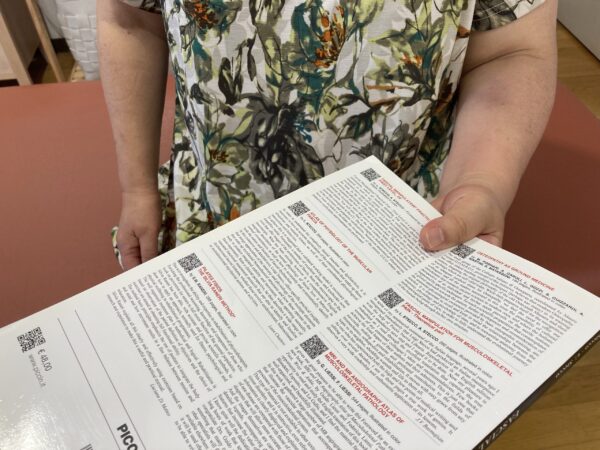
De Quervain case — holding a dish

Thumb-side wrist pain (De Quervain’s) — office worker, 60s

Pain on the thumb side of the left wrist that had not improved in three and a half months, despite orthopedic care, massage and stretching — she could not even hold a dish to wash up. The article reports that after the first session she could close her thumb into her fist and move the wrist a little, felt more than 80% better by the second session three weeks later, and described herself as 99% recovered after the third.
Read the full case
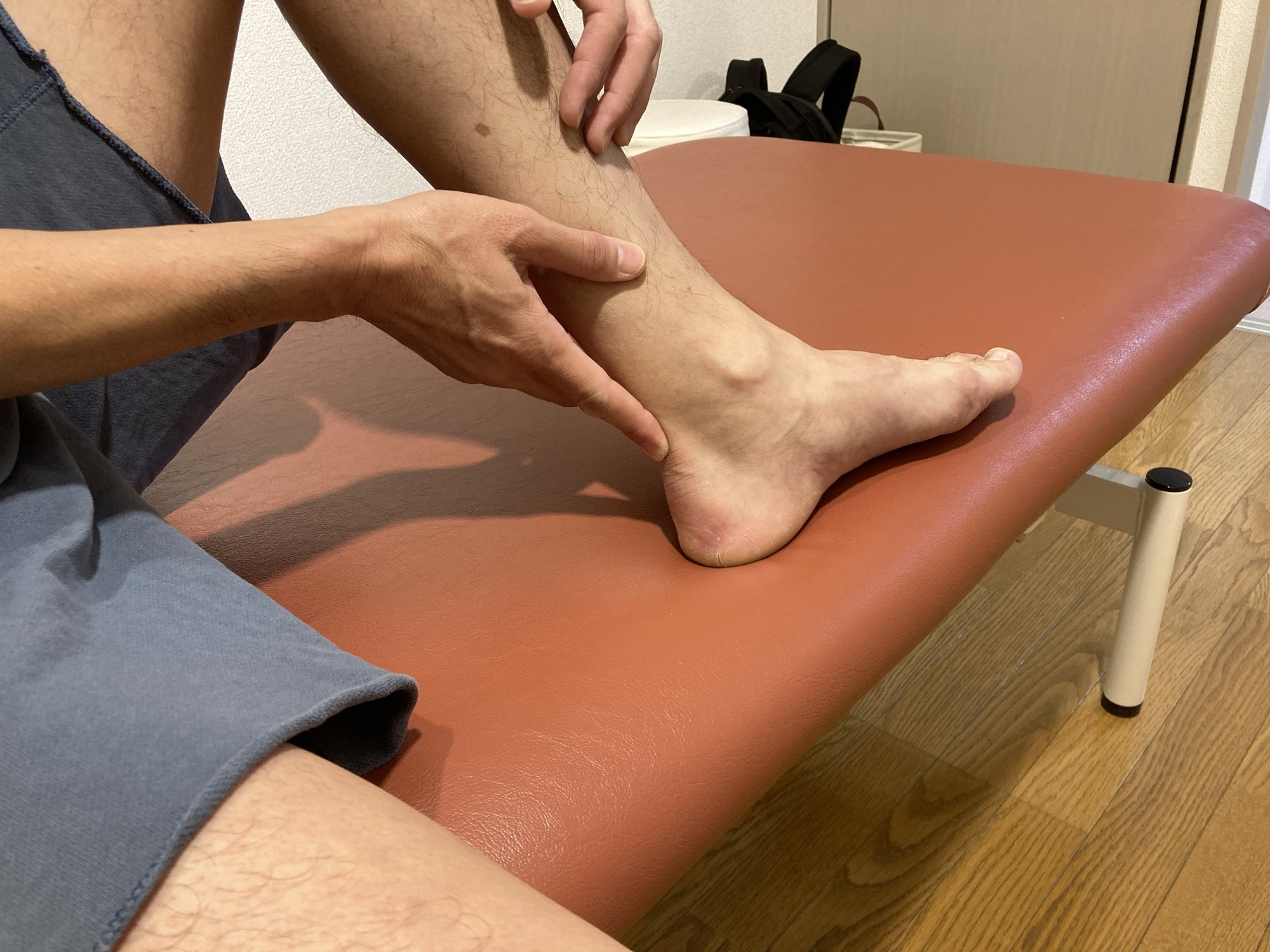
Achilles tendon pain case — marathon runner

Achilles tendon pain — marathon runner, 50s

Five weeks before the New York City Marathon, strong Achilles tendon pain stopped him at 7–8 km, with a feeling it might tear. The article reports that over five sessions of Fascial Manipulation® he built back up to a pain-free 35 km run, and finished the marathon in 4 hours 18 minutes at an even pace, with no cramps and no worry about the Achilles.
Read the full case
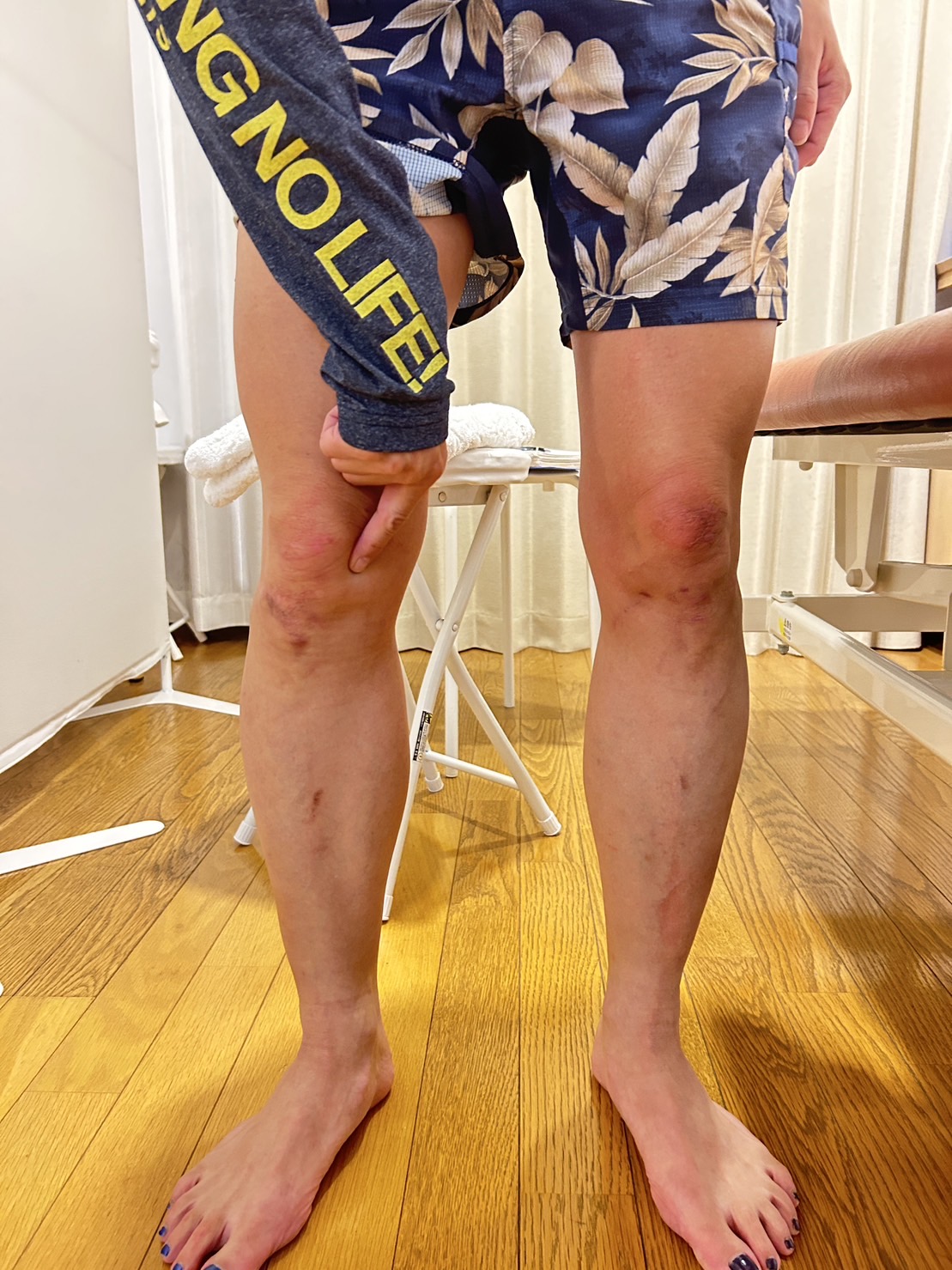
Inner knee pain case — trail runner

Inner knee pain — trail runner, 40s

Inner right knee pain that came on after about 5 km of running, in a trail runner in her 40s who had started the sport four years earlier. The article reports that the knee pain dropped to zero after the first session, and that at a follow-up about two weeks later the pain had settled and she had resumed running.
Read the full case
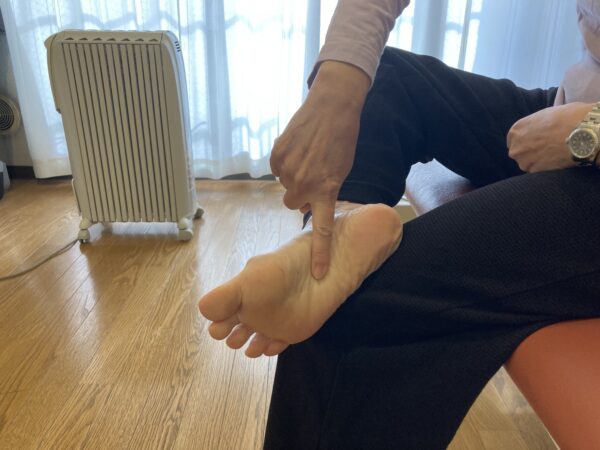
Plantar fasciitis case — ballet instructor

Heel pain that stopped pointe work — ballet instructor, 50s

Six months of right heel pain that stopped her standing in pointe shoes or rising into relevé, after orthopedic care and other manual therapy had not helped. The article reports that over three sessions in about six weeks the heel pain disappeared, pointe shoes and relevé came back, and the morning back pain she had lived with for years also eased with continued care.
Read the full case
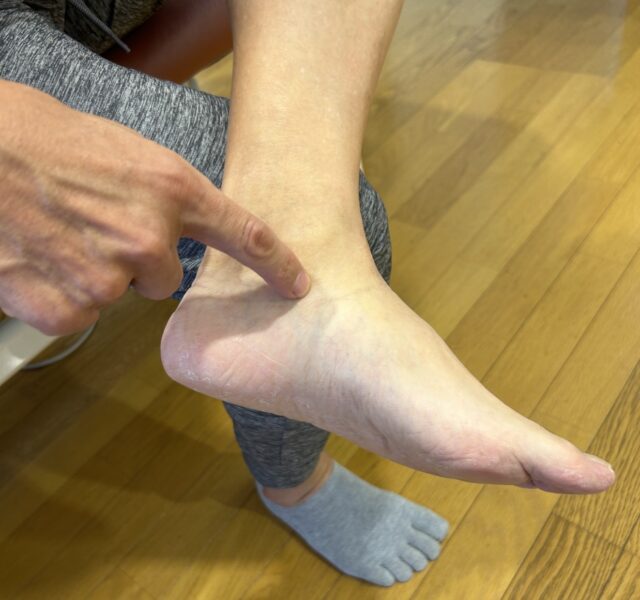
Ankle sprain case — futsal player

Ankle pain that lingered eight months after a sprain — futsal player, 30s

Eight months after spraining his left ankle in futsal, pain around the inner ankle still lingered whenever he planted his foot — though he could still play. The article reports that in a single session the pain eased on the spot and, at follow-up, had improved by more than 80% without returning.
Read the full case
Pricing

First visit: ¥12,000 (until 31 December 2026)

Regular session: ¥16,500 per 80 minutes

Sessions are self-pay. Japanese health insurance does not apply.

Insurance receipts: Sessions are self-pay and are not covered by Japanese national health insurance. We can issue an itemized receipt in English for you to submit to your private or international health insurer. Acceptance depends on your policy, so please check your coverage in advance.

Payment: cash, credit cards, QR code payments and e-money.

Frequently Asked Questions

Will my treatment be in English?

Yes. English consultations are with the clinic’s director, Hideki Kakinuma. He has served as an interpreter for the Fascial Manipulation® international courses held in Japan since 2020, where the teaching is delivered in English by instructors from Italy.

How do I book?

Through the inquiry form on this page, or by WhatsApp. We are sorry, but we cannot take bookings in English by phone. Session start times are 10:00, 11:30, 14:00, 15:30, 17:00 and 18:30.

How much does a session cost?

Sessions are 80 minutes. The first visit is ¥12,000 until 31 December 2026; the usual fee is ¥16,500. Treatment is self-pay and is not covered by Japanese national health insurance.

Can I claim the fee on my private or international health insurance?

Possibly. We can issue an itemized receipt in English for you to submit to your insurer. Whether a claim is accepted depends on your policy, so please check your coverage and what documents your insurer requires before your visit.

What is Fascial Manipulation®? Is it like massage or chiropractic?

Fascial Manipulation® is a manual therapy developed in Italy by Luigi Stecco, based on assessing the fascia — the connective tissue that links the whole body. Each session starts by testing the movements that hurt, and treats the stiff fascial points that appear to be driving the problem, which are not always where the pain is. It does not involve cracking or adjusting joints.

Does treatment hurt?

It can be uncomfortable — the stiff points we work on are often tender. We check the pressure with you as we go.

How many sessions will I need?

That depends on your condition and its history, but our goal is for you to feel a real difference within the first three sessions. At each visit we re-test the same movements, so you can judge the change yourself — and if we are not seeing change, we will tell you honestly rather than simply ask you to keep coming. Many patients then continue with occasional maintenance visits.

Is there anything I should avoid after a session?

Fascial glide improves through a mild inflammatory response after treatment, so we ask you not to suppress it — please avoid cooling plasters, icing, and anti-inflammatory painkillers. Otherwise there are no special restrictions: bathing, alcohol, and moderate exercise are all fine. First-time patients receive a printed sheet explaining these notes.

Where is the clinic?

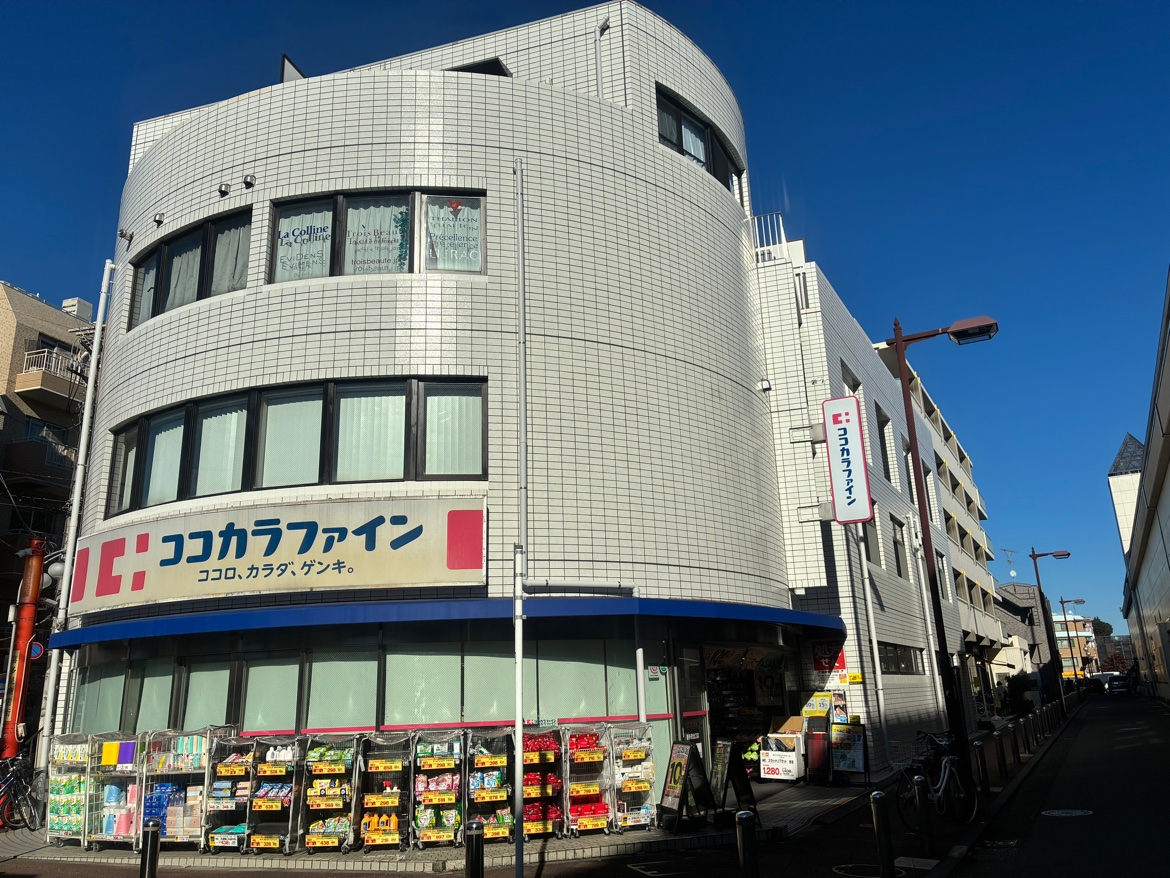
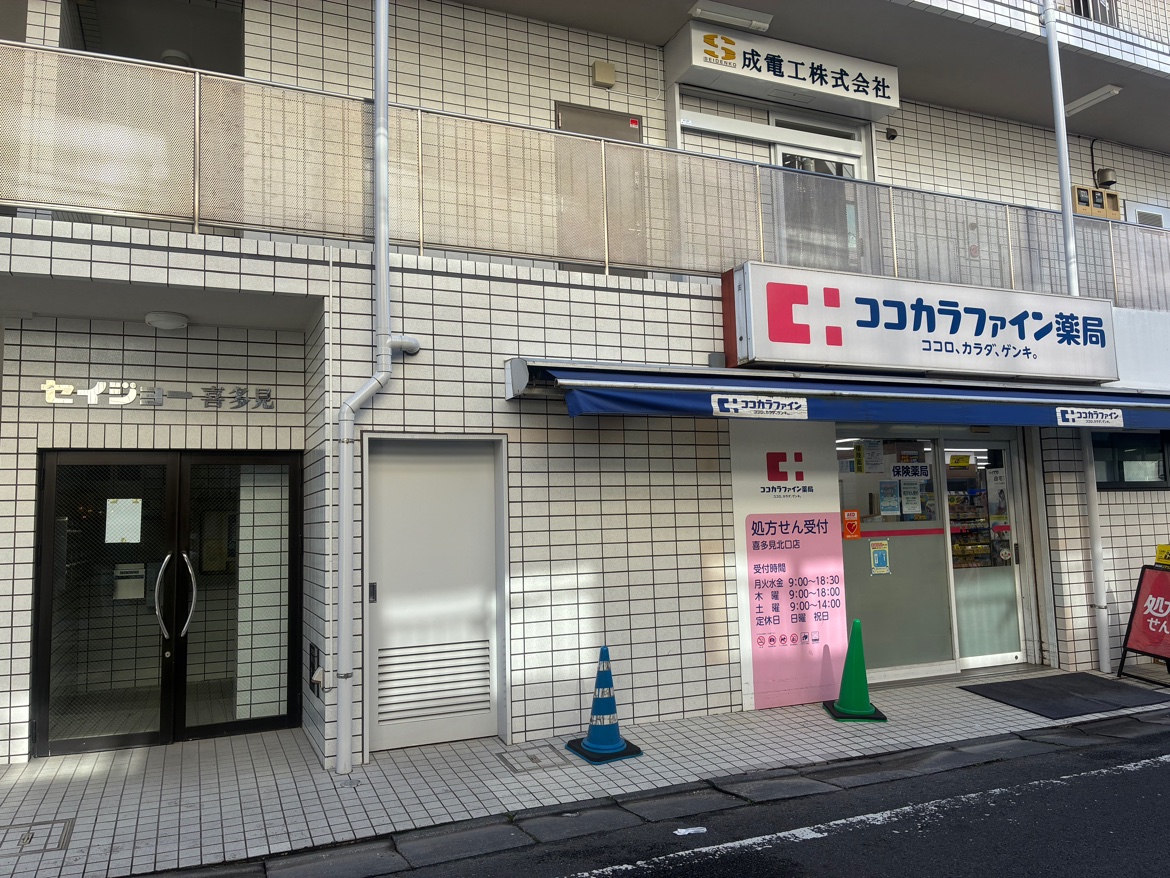
305, Seijo Kitami Building, 9-2-14 Kitami, Setagaya-ku, Tokyo 157-0067 — 2 minutes on foot from the north exit of Kitami Station (Odakyu Line), with an elevator in the building. Opening hours are 10:00–20:00, by appointment only; closed Sundays and Mondays (occasionally irregular).

What should I wear? Do I need to bring anything?

Ideally, wear something that lets us touch the skin of the area being treated directly — for example short sleeves and shorts — as direct skin contact gives a more accurate assessment. If you come in a suit or long sleeves, please don’t worry: you are welcome to bring a change of clothes, or use the half-pants we provide.

Can I cancel or reschedule?

Yes, including on the day of your appointment — and we do not charge a cancellation fee. Please let us know through the inquiry form on this page or by WhatsApp.

Q12. How can I pay?

We accept cash, credit cards, QR code payments and e-money.

Book Your First Visit

First visit ¥12,000 until 31 December 2026. Regular session ¥16,500 for 80 minutes.
Send us an inquiry, or message us on WhatsApp — whichever is easier for you. English consultations are with Director Hideki Kakinuma only. English phone bookings are not available.
Session start times: 10:00 / 11:30 / 14:00 / 15:30 / 17:00 / 18:30